May 3-5. Days 20, 21, and 22. More than 800 languages are spoken throughout the several
thousand isolated and self-sustaining communities of Papua New Guinea.
Traditional rituals and dress are elements of everyday life, and many local people
live much like their ancient ancestors did. Meet National Geographic explorer
and photographer Chris Rainier, whose work celebrates and documents the
astonishing diversity of Papua New Guinea’s many cultures. Airways Hotel
After a night in the capital city of Port Moresby, fly by local aircraft to one of
four remote areas:
Our choice - Spend time with locals in the Western Highlands, an area known for its many
species of orchids and birds of paradise. After an archery demonstration
by villagers, observe Melpa women performing a traditional sing-sing and
demonstrating their skills in making bilums (traditional string bags) and
skirts. Enjoy a performance by local mudmen.
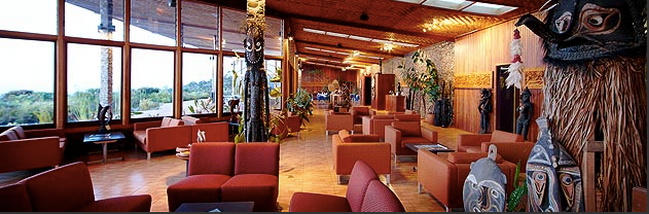

Or visit the Southern Highlands, where the Huli Wigmen show off extravagant
warrior headdresses made from human hair, feathers, and plants. Keep an eye
out for more than a dozen species of birds of paradise. Ambua Lodge
Alternatively, venture into the Sepik River basin by riverboat and glide down
waterways that crisscross the vast tropical lowland forest. Stop in villages
along the riverbanks to see intricately designed spirit houses, and meet with
tribal families and skilled artisans who make beautifully carved storyboards,
masks, dugout canoes, and other unique art. Karawari Lodge
Or head to Kokopo beach on the east coast of New Britain Island. The long
coastline is bordered by coral reefs and the interior is covered with lush
lowland rain forest. Visit the island’s active volcano and walk among the hot
spring pools. For those interested in World War II history, the island is home
to a variety of war remnants and a World War II museum. On the last evening,
enjoy a private fire dance by the Baining tribe. Kokopo Beach Bungalow Resort